
The Art of Flying with Fragile Cargo: How to Bring Wine, Ceramics, and Heirlooms Home in One Piece

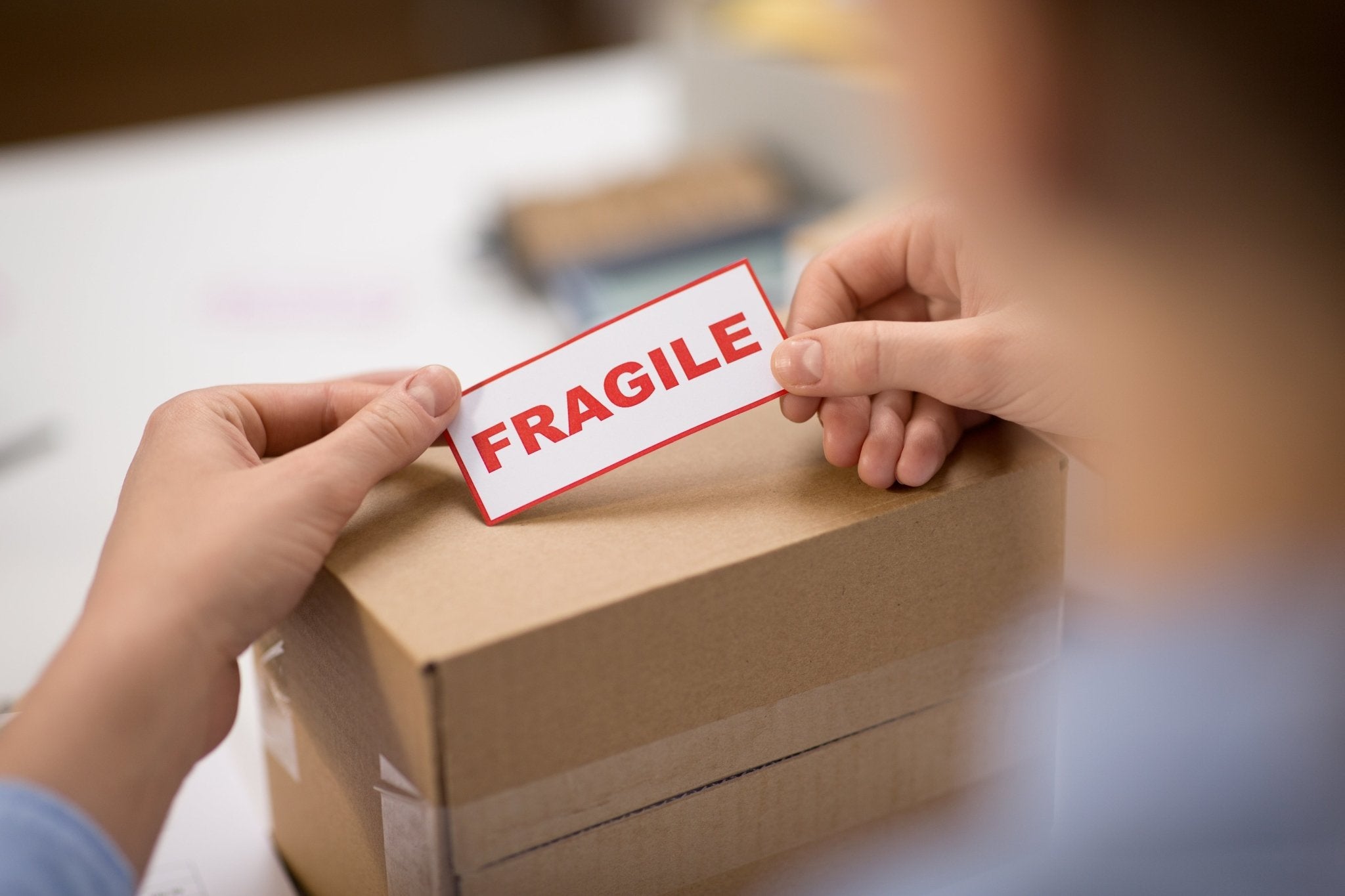
Few travel experiences match the quiet dread of waiting at the baggage carousel, watching a damp, dark stain seep through the nylon seams of your suitcase. Whether it is a rare vintage from a Tuscan vineyard, hand-painted tiles from Lisbon, or delicate ceramic bowls from Kyoto, transporting fragile items by air is an exercise in managing physics, airline bureaucracy, and human error.
Baggage handlers work under strict turnaround clocks. Conveyor belts drop bags onto steel slides from heights of four to six feet, and cargo holds experience rapid shifts in pressure and temperature. Relying on sheer luck or a solitary layer of tissue paper almost guarantees heartbreak. Bringing delicate treasures home safely requires treating your luggage like a calibrated shipping container rather than a laundry hamper.
Navigating Airline Regulations and TSA Realities
Before you wrap your first bottle or box, you need to understand the legal boundaries governing what can fly, where it can sit, and how much of it you can bring.
The Transportation Security Administration strictly enforces the 3-1-1 liquids rule for carry-on luggage. Every container of liquid, gel, or aerosol must be 3.4 ounces (100 milliliters) or less, and all containers must fit within a single clear quart-sized bag. This rule instantly eliminates standard bottles of wine, olive oil, spirits, and artisanal perfume from your carry-on allowance, leaving checked luggage as your primary option.
Checked baggage rules regarding alcohol depend entirely on alcohol by volume (ABV):
-
Beverages under 24 percent ABV, which includes almost all standard wine, cider, and beer, face no federal quantity restrictions in checked bags. You are bound only by your airline’s standard weight allowances.
-
Beverages between 24 and 70 percent ABV (such as whiskey, rum, and high-proof liqueurs) are capped at 5 liters (1.3 gallons) per passenger in checked baggage. They must remain in unopened retail packaging.
-
Beverages over 70 percent ABV (140 proof or higher), including grain alcohol and certain overproof rums, are strictly prohibited in both carry-on and checked luggage because of their flammability.
When returning to the United States from abroad, U.S. Customs and Border Protection allows one liter of alcohol per adult traveler aged 21 or older duty-free. You can legally bring back more, but you must declare every bottle on your customs form. In practice, customs duties on excess table wine are remarkably low—typically under two dollars per bottle—and border officers frequently waive the fee if you are bringing back an extra two or three bottles for personal consumption. Never attempt to conceal alcohol; failing to declare it can lead to confiscation, fines, and the loss of trusted traveler privileges like Global Entry.
Carry-On vs. Checked Baggage: Choosing the Right Strategy
The golden rule for delicate cargo is simple: if it does not contain liquid, keep it in the cabin.
Handmade ceramics, hand-blown glassware, porcelain figurines, and small wooden carvings should travel inside your carry-on roller or personal item whenever dimensions allow. Within the pressurized cabin, you control the orientation of the bag, eliminate drops from cargo sorters, and protect delicate materials from crushing loads.
However, relying entirely on carry-on space comes with a major vulnerability: the dreaded gate check. When boarding smaller regional aircraft or boarding late on full flights, gate agents routinely force travelers to check their rollaboards on the jet bridge. Ramp agents load these gate-checked bags directly into the belly of the plane without the meticulous padding you might have placed around them.
If you plan to carry fragile souvenirs into the cabin, pack them inside your personal item—such as a structured backpack or tote that fits beneath the seat in front of you—rather than an overhead roller bag. That way, if overhead bin space runs out, your treasures remain safely within your personal physical custody.
Professional Packing Techniques for Wine and Spirits
When checked baggage is your only option for liquids, the goal is twofold: protect the glass from direct impact, and contain the liquid if the bottle structural fails.
Purpose-Built Transit Gear
Frequent wine travelers rarely rely on rolled clothing alone. Investing in specialized travel gear provides engineered protection that reusable household materials cannot duplicate.
-
Padded bottle sleeves: Reusable sleeves lined with bubble wrap and secured with heavy-duty hook-and-loop closures and double-seal zip locks offer a dependable baseline. Brands like WineSkin or JetBag are standard choices. Premium versions feature interior absorbent polymers capable of soaking up an entire 750-milliliter bottle of liquid if the glass shatters, sparing your wardrobe from ruin.
-
Inflatable bottle columns: Flat-pack air sleeves, often inflated with a small hand pump, surround the bottle in ribbed chambers of pressurized air. These offer superior shock absorption compared to traditional flat bubble wrap because they suspend the bottle away from exterior impact surfaces.
-
Hard-sided wine suitcases: If you routinely travel to wine regions, dedicated hard-shell cases with custom high-density foam inserts (such as those made by VinGardeValise) allow you to check up to twelve bottles as standard checked luggage while keeping them intact against heavy shocks.
The DIY Method: Physics of the Center-Pack
If you find yourself in an unexpected wine region without commercial sleeves, you can pack safely using clothing by understanding the mechanical vulnerabilities of a wine bottle.
The most fragile point of a bottle is the neck and shoulder. Wrapping only the wide cylindrical base leaves the neck vulnerable to shearing forces if another heavy suitcase presses down on your luggage.
Begin by bracing the neck. Slide a thick wool sock or rolled knit cap over the top of the bottle, packing the space between the shoulder and the cork until the neck matches the diameter of the body. Next, roll the bottle inside a heavy, dense garment—denim jeans, fleece jackets, or heavy canvas pants work far better than thin cotton t-shirts.
Once padded, place the entire bundle into two heavy-duty, sealable plastic bags, pressing out excess air before sealing. If you lack large zip-top bags, wrap the bundle tightly in a hotel laundry bag and seal every opening securely with duct tape or packing tape.
Protecting Delicate Crafts, Glass, and Ceramics
Ceramics and non-liquid glassware present a different challenge. Unlike wine bottles, which feature thick, uniform structural glass, artisanal ceramics often possess delicate extremities, thin rims, and uneven structural density.
Preventing Internal Hollow Crushes
A ceramic coffee mug, porcelain teacup, or hollow terracotta vase will easily collapse inward if compressed from the outside. To prevent this, always pack internal voids first.
Tightly stuff the inside of every cup, bowl, or vase with balled-up tissue paper, clean socks, or soft cotton undergarments until the interior is firm. This internal pressure counteracts external impacts, turning a hollow, fragile shape into a solid, load-bearing cylinder.
Isolating Contact Points
Never allow two pieces of glass, porcelain, or ceramic to touch each other inside a bag. During flight, aircraft engine vibrations cause items to rub against each other thousands of times per minute. Micro-friction between hard surfaces creates micro-fractures, which turn into clean breaks upon landing impact.
Wrap every piece independently. For items with delicate projections—such as teapot spouts, mug handles, or sculpted figures—wrap the protrusion separately with a tight layer of padding before wrapping the entire piece. Finish by securing the padding with tape or rubber bands so the protective layer cannot slip loose during transit.
Suitcase Architecture: Building Structural Armor
How you arrange your items inside the suitcase matters just as much as how you wrap the items themselves. Think of your suitcase as an egg carton: the exterior shell absorbs the initial blow, while the interior cushioning dissipates the kinetic energy.
Hard-Shell vs. Soft-Sided Luggage
For transporting breakables, a rigid polycarbonate or aluminum hard-sided suitcase consistently outperforms a soft-sided nylon bag. Soft-sided bags flex under external weight. If a 50-pound duffel lands on top of a soft suitcase on a sorting belt, that force transfers directly into the contents. A rigid shell distributes that force across its entire surface area, keeping the interior chamber intact.
The Suspension Packing System
To shield your fragile items from drops and throws, construct a multi-tiered suspension system inside your checked bag:
-
The Foundation Layer: Place heavy, durable items at the bottom of the suitcase (near the wheels). Work boots, running shoes, and structured toiletry kits belong here. This establishes a low center of gravity and prevents heavier belongings from sliding down onto your breakables when the suitcase is wheeled upright.
-
The Base Buffer: Lay down a dense, three-inch layer of folded sweaters, hoodies, or soft pants directly over the bottom interior framework and the ridges of the telescoping handle.
-
The Dead Center Core: Position your wrapped bottles and ceramics directly in the geographic center of the suitcase. Keep them at least three inches away from the perimeter walls, the top lid, the bottom base, and the wheels. Separate multiple bottles with thick layers of clothing so they cannot collide.
-
The Top Buffer: Pack another dense layer of clothing firmly over the top of the fragile cargo before closing the lid.
-
Eliminating Empty Space: When you finish packing, close the suitcase and give it a firm shake. If you feel or hear anything shifting, reopen the bag and fill the remaining voids with rolled t-shirts, socks, or scarves. A tightly packed suitcase prevents contents from gaining momentum during rough handling.
Duty-Free Shopping and the Connection Trap
Buying wine, regional liqueurs, or olive oil at airport duty-free shops after clearing security seems like the perfect way to bypass TSA liquid rules. You can carry your purchases directly onto the aircraft in a sealed plastic bag without using up precious checked luggage space.
However, this tactic hides a major trap for travelers on itineraries with domestic connecting flights.
When you fly internationally into the United States and have a connecting domestic flight (for example, flying from Madrid to Chicago with a layover in Philadelphia), you must retrieve your checked luggage, clear border control and customs, re-check your bags, and pass through TSA security checkpoints again to reach your domestic departure gate.
TSA will confiscate your duty-free liquids at that domestic checkpoint unless they meet strict criteria:
-
The bottles must be packaged in a transparent, secure, tamper-evident bag (STEB) provided directly by the duty-free retailer at the point of sale.
-
You must possess the original receipt, showing the purchase was made within the preceding 48 hours.
-
The liquid must pass screening by an optical bottle scanner at the checkpoint.
If the scanner cannot verify the liquid—which frequently occurs with dark bottles, opaque ceramics, or high-density glass—TSA will not permit the bottle through security.
To avoid losing your purchases, claim your checked bag before clearing customs, unzip it right there at the baggage transfer area, nestle your duty-free purchases deep inside your packed clothing, and re-check the bag onto your final destination.
What to Do If an Item Breaks
Even the most careful packing cannot prevent catastrophic handling accidents. Knowing your rights and policy limitations helps you recover costs when disasters happen.
Airline contracts of carriage almost universally exclude liability for fragile items, liquids, and glassware packed inside checked baggage. If an airline baggage handler drops your suitcase and shatters a ceramic sculpture or a vintage bottle of Bordeaux, the airline will typically deny your claim based on their published fragile items waiver. They will cover damage to the exterior suitcase itself, but not the delicate items inside.
Protection instead comes from secondary resources:
-
Travel Insurance: Comprehensive travel insurance policies often cover personal property damage, though you must review policy exclusions carefully to confirm whether self-packed fragile goods are eligible for reimbursement.
-
Premium Credit Cards: Many high-end travel credit cards provide built-in baggage protection when you charge the flight itinerary to the card. Document your packing process by taking quick photos of the items wrapped inside the suitcase before closing the lid. If an item arrives broken, these photos serve as critical proof that the item was securely packed and that damage resulted from extreme baggage handling rather than negligence.
Travel memories should be anchored by the objects you bring home, not the frustration of seeing them destroyed in transit. By understanding airline regulations, investing in basic protective materials, and applying intentional structure to your suitcase, you can unpack your bottles, ceramics, and regional treasures at your kitchen counter in the exact condition they left the artisan’s hands.
Meta Title: How to Pack Wine and Fragile Souvenirs on a Flight
Meta Description: Learn how to safely pack wine, ceramics, and delicate souvenirs in checked and carry-on luggage. Expert tips on TSA rules, packing methods, and avoiding breaks.
Comments are closed.