


Stonehenge, an iconic prehistoric monument nestled in the English countryside, has intrigued us for centuries and every year thousands of people embark on one of the many Stonehenge tours from London. Its massive stones, standing silently on the Salisbury Plain, evoke a sense of mystery and wonder. As we delve into the fascinating facts about Stonehenge, we uncover a tapestry woven with ancient rituals, astronomical alignments, and engineering marvels.
While many of us recognise Stonehenge’s silhouette, fewer know the rich history and theories surrounding its construction. Was it an ancient observatory, a place of healing, or a burial site? With each discovery, we gain a clearer picture of its significance to the people who built it. Join us as we explore the intriguing facts that shed light on this enigmatic landmark.
Understanding Stonehenge isn’t just about the stones themselves; it’s about connecting with our ancestors’ ingenuity and culture. Let’s embark on a journey through time, revealing the secrets of one of the world’s most enduring wonders.
Historical Background
Stonehenge, an impressive Neolithic monument, stands in Wiltshire, England. Construction of the monument began around 3000 BC. Initially, it comprised an earthwork enclosure with large stones erected centuries later. Radiocarbon dating indicates that the main stones were raised between 2600 BC and 2400 BC.
The construction spanned three major phases. During the initial period, a circular bank and ditch, along with timber structures, were built. In the subsequent phases, the iconic sarsen stones and smaller bluestones were arranged in precise patterns. Transporting these bluestones from the Preseli Hills in Wales, over 140 miles away, demonstrates remarkable logistical skill.
Archaeological evidence suggests that Stonehenge served as a burial site during its early years. Thousands of bones, from both humans and animals, have been unearthed in the surrounding area. Ongoing studies aim to verify its use as a ceremonial or astronomical site, challenging researchers to unravel its full historical purpose.
Architectural Marvel
Stonehenge stands as a testament to ancient architectural prowess. The intricacies of its construction reflect a sophisticated understanding of design and engineering.
Construction Techniques
Builders of Stonehenge employed complex methods to erect the monumental structure. Archaeologists believe they used wooden frameworks and levers to lift the massive stones into place. The precision in stone placement suggests a deep understanding of geometry and weight distribution. Sections of the circular stone arrangement may have been aligned with significant solar and lunar events, indicating astronomical knowledge.
Materials Used
The primary materials include sarsen stones and smaller bluestones. Sarsens, weighing up to 30 tonnes each, were sourced locally from Marlborough Downs. In contrast, bluestones, weighing about 2 to 4 tonnes, were transported over 140 miles from the Preseli Hills in Wales. This feat demonstrates advanced logistical planning and resourcefulness. The choice of materials showcases the builders’ ability to select and utilise varying stone types for structural and symbolic purposes.
Purpose And Significance
Understanding the purpose and significance of Stonehenge involves exploring its potential roles and meanings in both astronomical and cultural contexts.
Astronomical Alignments
Stonehenge’s design showcases its connection to celestial events. Its axis aligns with the sunrise on the summer solstice and the sunset on the winter solstice. This precise orientation suggests that ancient builders possessed advanced knowledge of astronomy. Various stones align with lunar phases and eclipses, indicating a sophisticated solar-lunar calendar system. These alignments emphasise the monument’s potential role as an observatory, used for tracking time and seasons.
Religious And Cultural Importance
Stonehenge’s role extends beyond its astronomical function. It likely served as a significant religious site, where rituals and ceremonies occurred. Evidence of cremation burials suggests that it was also a sacred ground for the dead. The site’s cultural importance is reflected in the varying stone sources, possibly symbolising regional alliances or spiritual concepts. Stonehenge likely provided a communal meeting space, promoting social cohesion and reflecting the beliefs and values of Neolithic society.
Recent Discoveries
Recent archaeological investigations have offered new insights into Stonehenge’s construction and usage. In 2020, a significant finding revealed a massive ring of shafts, 2 km from Stonehenge, surrounding the area known as Durrington Walls. This discovery suggests the features might have been used for boundary marking or ceremonial purposes.
Further analysis in 2018 confirmed the importance of Stonehenge’s bluestones. Researchers unearthed evidence suggesting these stones formed a previous monument in Wales before their transportation to Salisbury Plain, indicating Stonehenge’s significance as a place of relocation and renewal.
Additionally, isotope analysis of human remains found at Stonehenge indicates that the individuals interred might not have been local. This suggests the monument’s wide-reaching influence, attracting people from distant regions during the Neolithic period.
These findings demonstrate that while we gain understanding, Stonehenge continues to challenge and expand our perception of its historical and cultural roles.
Conservation Efforts
Stonehenge, an enduring symbol of ancient ingenuity, experiences a variety of conservation efforts to preserve its integrity. Initiated in the 20th century, preservation first focused on stabilising and reinforcing the stones. Authorities recognised the impact of weathering and erosion, implementing strategies to mitigate these effects.
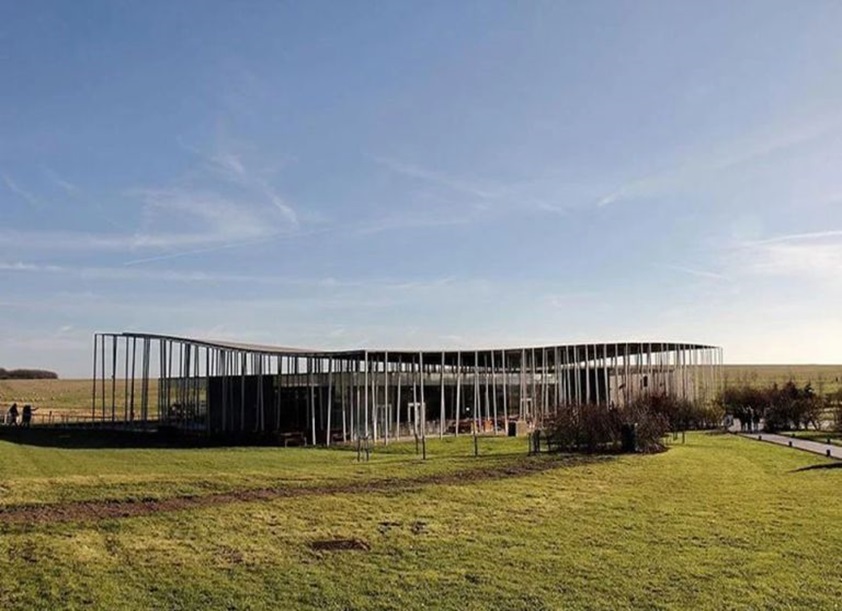
In 1986, Stonehenge joined the UNESCO World Heritage list, highlighting the need for continued protection. Our focus has since shifted to addressing human impact, as more than one million visitors annually necessitate robust management practices. The Stonehenge Visitor Centre, opened in 2013, enhances the visitor experience while limiting direct access to the monument itself, thus reducing wear on the site.
Ongoing research plays a crucial role, informing decisions and pioneering new preservation techniques. Recent projects involve monitoring environmental conditions and employing advanced imaging technologies to assess structural stability. Collaboration with universities and heritage organisations keeps us at the forefront of conservation technology.
Efforts extend beyond preserving the stones; the surrounding landscape also receives attention. Initiatives aim to restore and maintain the site’s visual and ecological integrity, ensuring future generations experience Stonehenge in its full context.
Final thoughts on Stonehenge and the facts
Stonehenge remains one of the world’s most captivating mysteries, a testament to the ingenuity and spirit of our ancestors. As we continue to explore its historical and cultural significance, we gain insights into the complex society that constructed this monumental site. The ongoing research and conservation efforts ensure that Stonehenge will endure for future generations to marvel at and learn from. By preserving its legacy, we connect not only with the past but also with the shared human experience that transcends time.
Comments are closed.